"You want to wake up in the morning and think the future is going to be great - and that's what being a spacefaring civilization is all about. It's about believing in the future and thinking that the future will be better than the past. And I can't think of anything more exciting than going out there and being among the stars."

Powering the Mission of SpaceXBot AI

Our mission is to redefine intelligent automation by building AI systems that are fast, secure, adaptive, and globally scalable.

SpaceXBot AI is designed to empower users with next-generation technology that transforms data into decisive action.

Explore Our Vision
Innovate Without Limits

Push AI boundaries through continuous research and innovation.

Intelligent by Design

Build systems that learn, adapt, and improve autonomously.

Security First

Ensure trust, transparency, and data protection at every level.

Global Impact

Deliver AI solutions that scale across industries worldwide.

Making Humanity Multiplanetary

Building on the achievements of Falcon 9 and Falcon Heavy, SpaceX is working on a next generation of fully reusable launch vehicles that will be the most powerful ever built, capable of carrying humans to Mars and other destinations in the solar system.

Droneship Landing

On April 8, 2016, the Falcon 9 rocket launched the Dragon spacecraft to the International Space Station, and the first stage returned and landed on the "Of Course I Still Love You" droneship.

First Reflight

On March 30, 2017, SpaceX achieved the world's first reflight of an orbital class rocket. Following delivery of the payload, the Falcon 9 first stage returned to Earth for the second time.

SpaceX Returns
Human Spaceflight
to the United States

Launched atop Falcon 9 on May 30, 2020, Dragon's second demonstration mission to and from the International Space Station, with NASA astronauts onboard the spacecraft, restored human spaceflight to the United States. Later that year, NASA certified SpaceX's Falcon 9 and Crew Dragon human spaceflight system for crew missions to and from the space station - becoming the first commercial system in history to achieve such designation.

Reusability

SpaceX believes a fully and rapidly reusable rocket is the pivotal breakthrough needed to substantially reduce the cost of space access. The majority of the launch cost comes from building the rocket, which historically has flown only once.

Compare that to a commercial airliner - each new plane costs about the same as Falcon 9 but can fly multiple times per day and conduct tens of thousands of flights over its lifetime. Following the commercial model, a rapidly reusable space launch vehicle could reduce the cost of traveling to space by a hundredfold.

While most rockets are designed to burn up on reentry, SpaceX rockets can not only withstand reentry but can also successfully land back on Earth and refly again.

RESERVE YOUR RIDE

SPACEX FACILITIES

CALIFORNIA

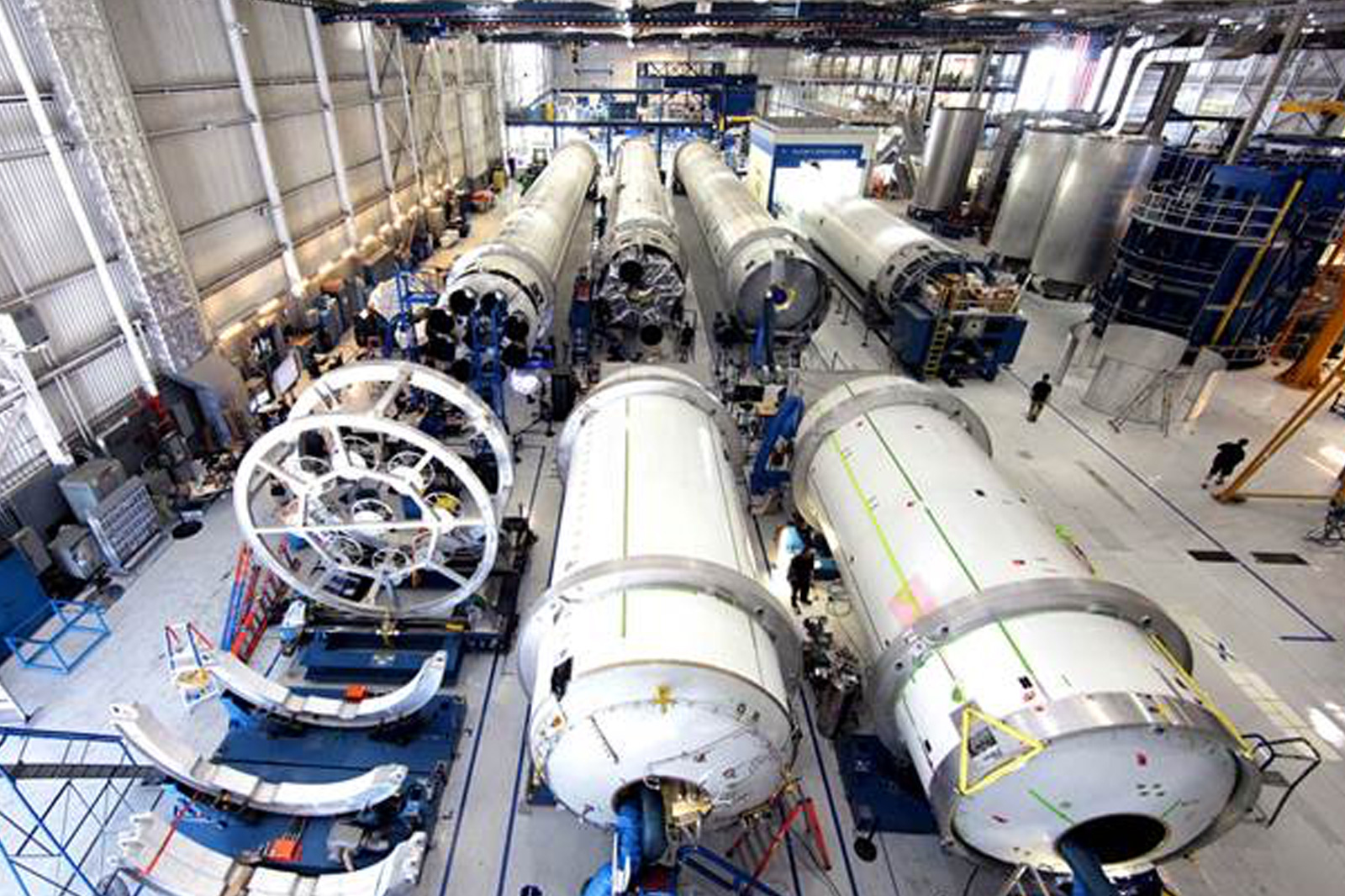
BUILD FACILITY

SpaceX designs and builds its reusable rockets and spacecraft in Hawthorne, California. As a company, SpaceX is vertically integrated, building the vast majority of the vehicle on the Hawthorne campus.
TEXAS

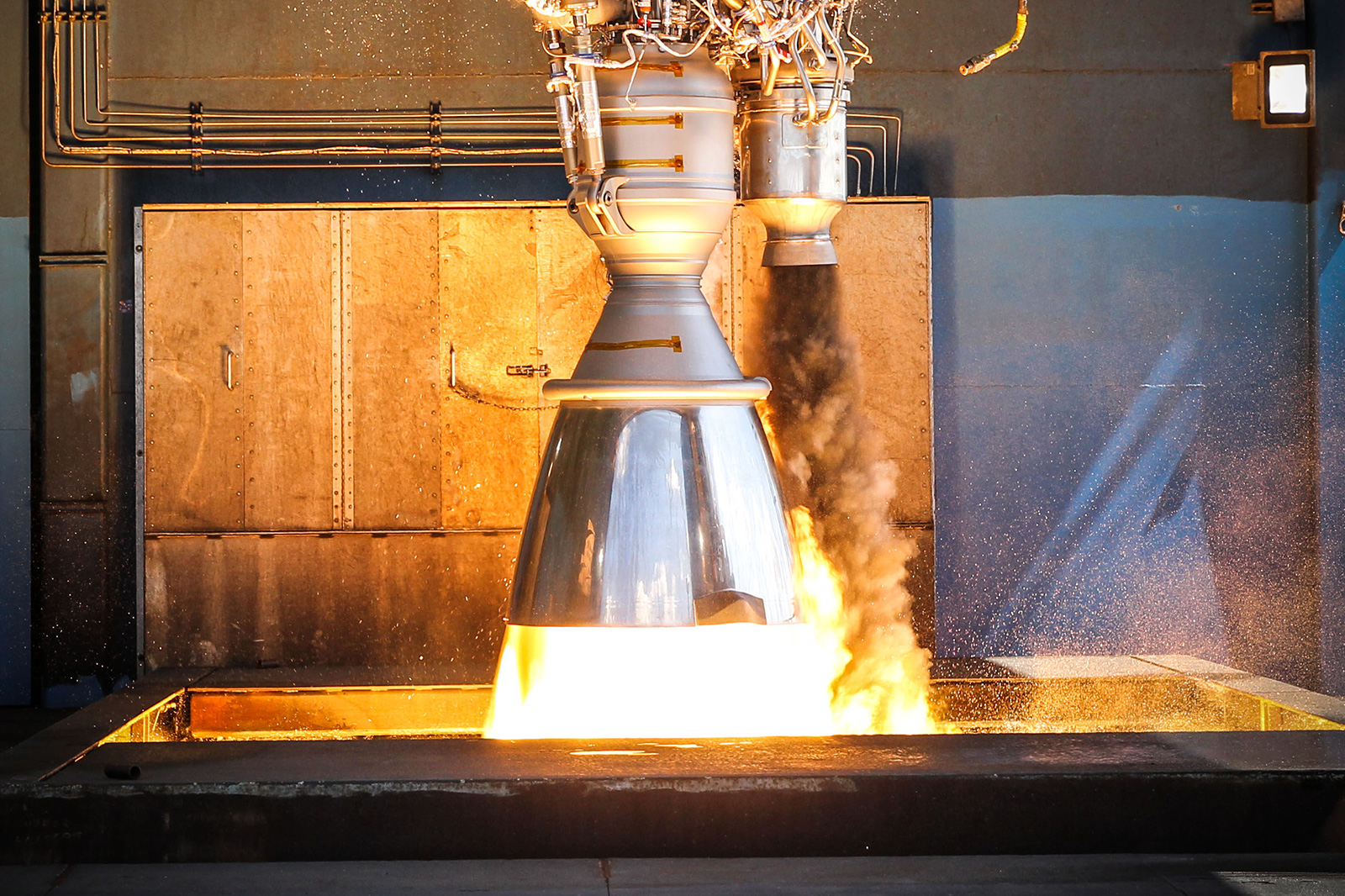
TESTING FACILITY

SpaceX tests its engines, vehicle structures, and systems at a 4,000-acre state-of-the-art rocket development facility in McGregor, Texas.
FLORIDA

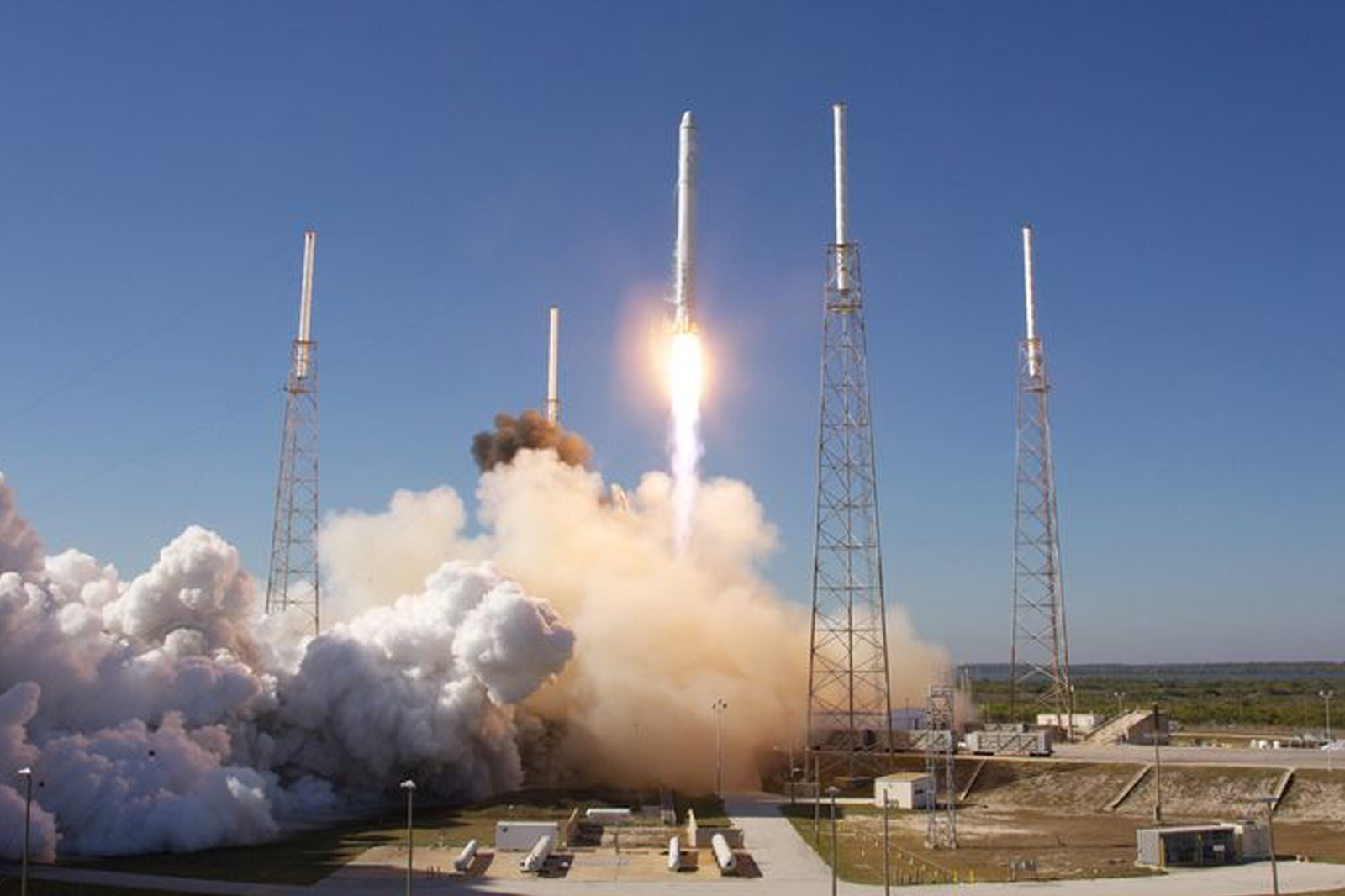
CAPE CANAVERAL SPACE FORCE STATION, SPACE LAUNCH COMPLEX 40

The site’s location on the east coast of the US provides access to a wide range of low- and medium-inclination orbits.
FLORIDA

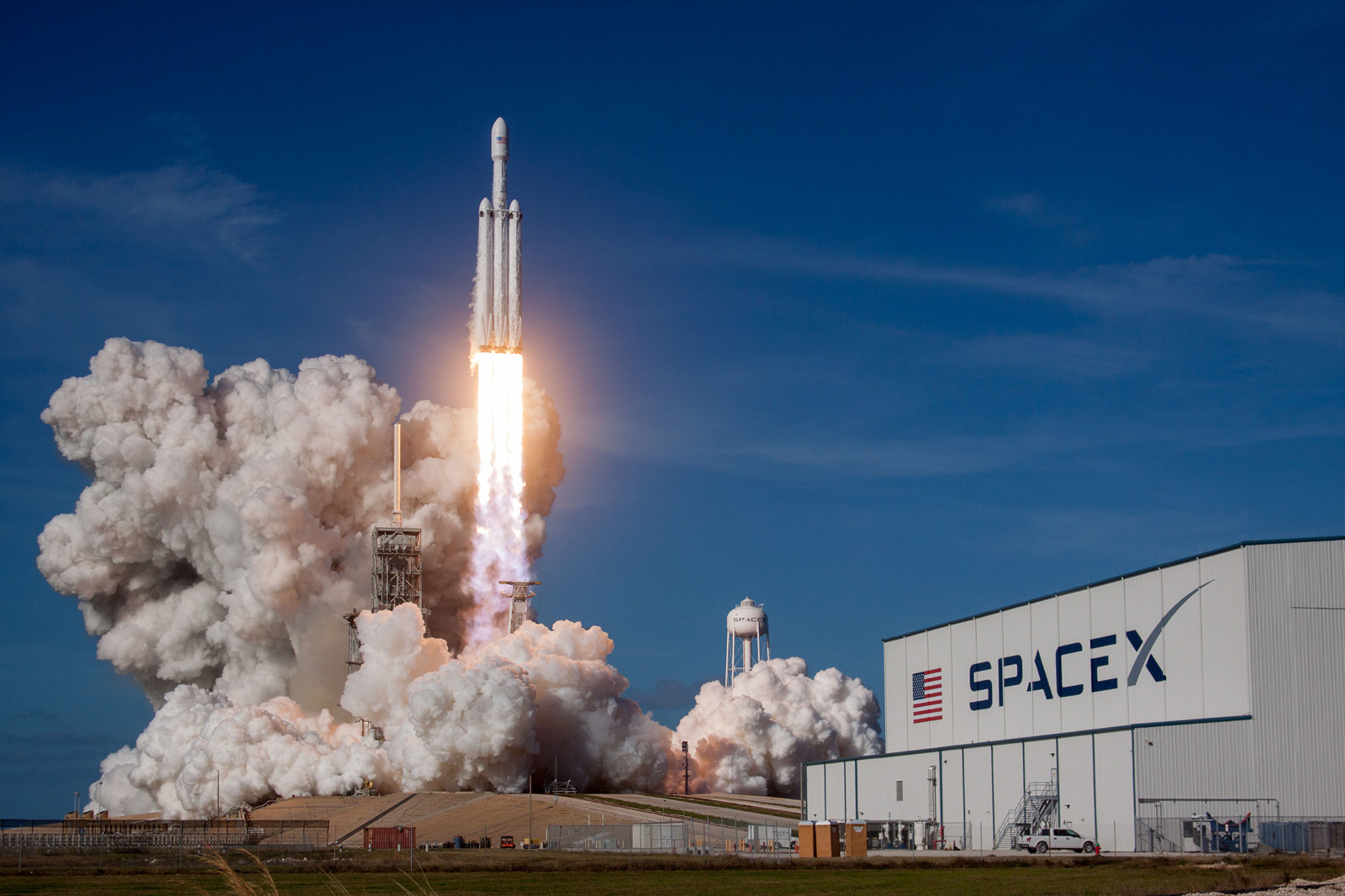
KENNEDY SPACE CENTER, LAUNCH COMPLEX 39A

SpaceX is honored to launch from Kennedy Space Center’s historic Launch Complex 39A, home of the Apollo and Space Shuttle programs.
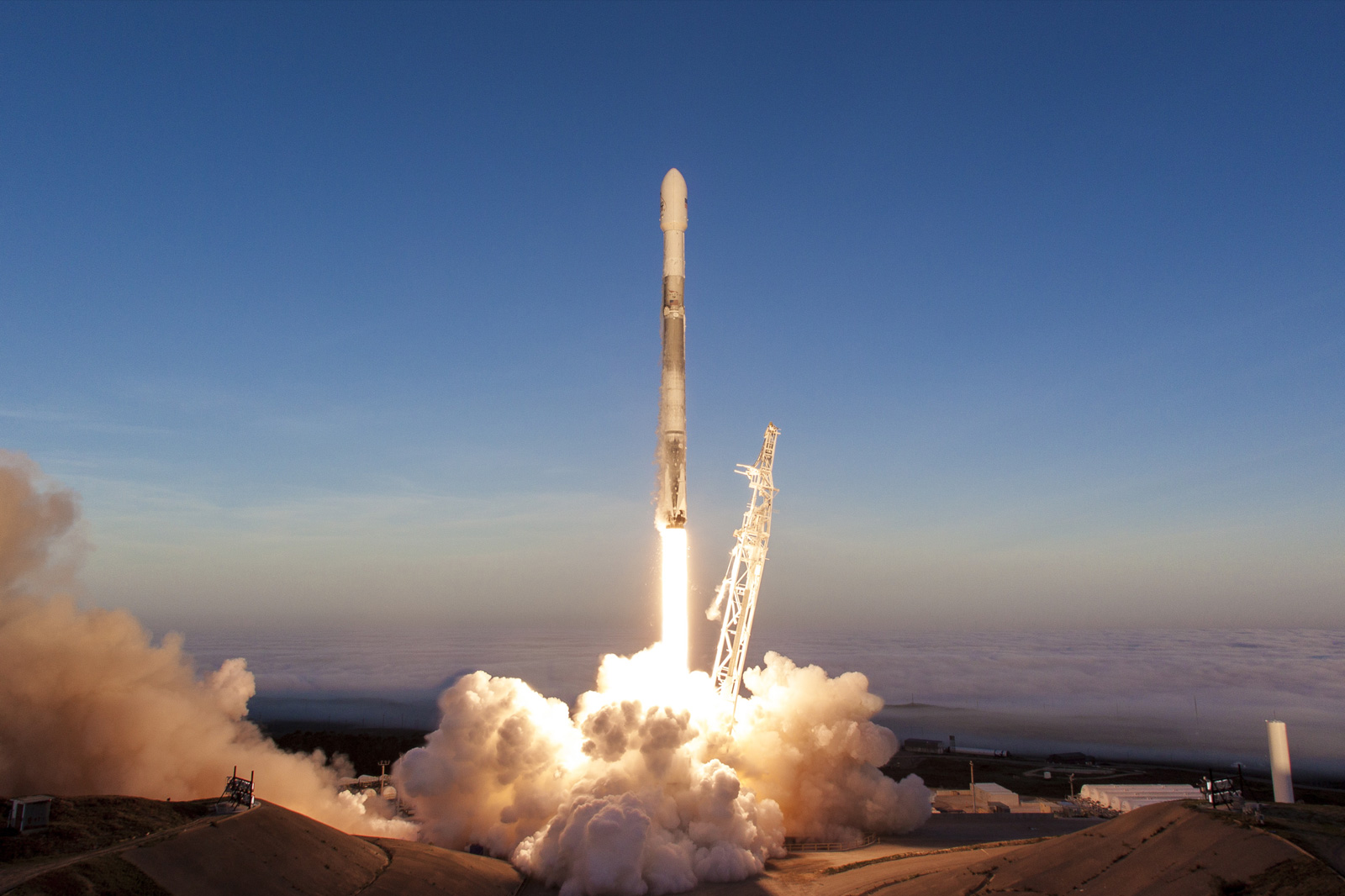
CALIFORNIA

VANDENBERG SPACE FORCE BASE, SPACE LAUNCH COMPLEX 4 EAST

The site’s location on the California coastline provides customers with access to high-inclination and polar orbits.
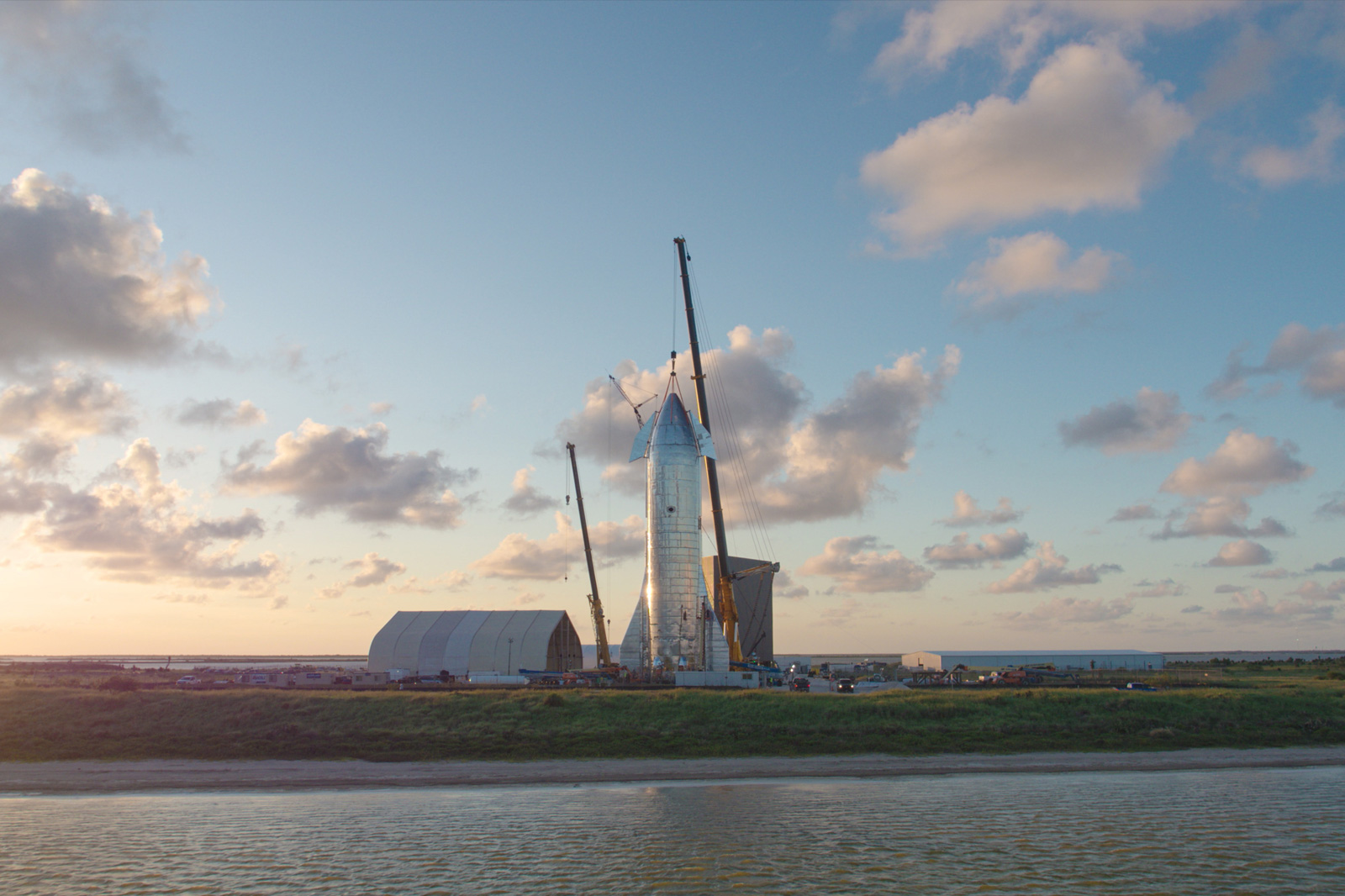
TEXAS

STARBASE

Development, manufacturing, testing, and launch of SpaceX’s Starship spacecraft and Super Heavy rocket—all at Starbase in Texas.